The Role of Mulching in Keeping Your Garden Healthy
Mulching is an essential technique for maintaining a thriving garden. It not only enhances the aesthetic appeal but also provides numerous benefits to your plants. By adding a layer of material to the soil surface, mulching helps conserve moisture, suppress weeds, and regulate soil temperature. This process can be particularly beneficial for your landscape, offering both functional and visual enhancements that align with sustainable gardening practices.
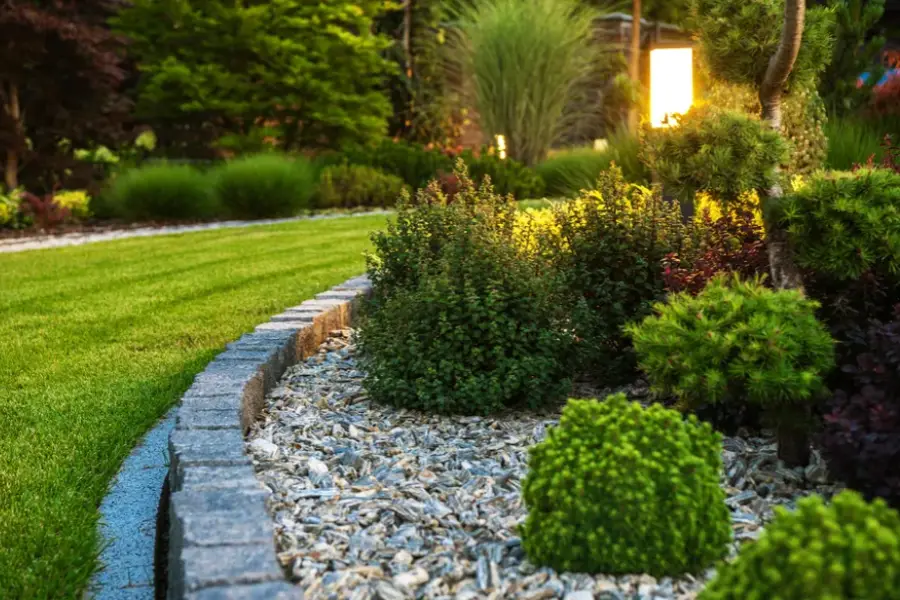
Why Mulching Matters for Plant Health
Using mulch in your garden can significantly improve plant health. The organic materials used in mulching break down over time, enriching the soil with nutrients. This creates a fertile environment where plants can thrive. Moreover, mulch acts as a protective barrier, reducing soil erosion and helping to retain moisture. Such benefits are crucial aspects of comprehensive landscape maintenance.
Reducing Weed Growth Effectively
One of the most practical advantages of mulching is its ability to reduce weed growth. Weeds compete with your plants for nutrients and water, which can hinder their development. A well-mulched garden prevents sunlight from reaching weed seeds, effectively blocking their growth. This makes it an integral part of any effective landscape maintenance strategy.
Choosing the Right Type of Mulch
Selecting the appropriate type of mulch is vital for achieving desired results. There are various options available, such as bark chips, straw, and compost. Each type has its distinct advantages; for instance, bark chips are long-lasting, while compost enriches the soil quickly. Understanding the specific needs of your garden will guide you in making the right choice.
Implementing Mulch in Your Garden
Applying mulch correctly is key to maximizing its benefits. Begin by removing any existing weeds from the area. Spread a layer of mulch around two to four inches thick around your plants, ensuring you leave space near plant stems to prevent rot. Regularly replenish the mulch to maintain its effectiveness throughout the growing season.
- Remove existing weeds before applying mulch.
- Spread mulch two to four inches deep.
- Leave space around plant stems.
- Replenish mulch regularly.
Avoiding Common Mulching Mistakes
While mulching offers many benefits, it’s essential to avoid common mistakes for optimal results. Over-mulching, or piling too much material against plant bases, can suffocate roots and lead to root rot. Additionally, using low-quality or contaminated mulch can introduce pests or diseases into your garden. Always ensure that your mulch is sourced from reputable suppliers.
Cost Considerations for Mulching
The cost of mulching varies depending on the type and quantity needed. Organic mulches like wood chips may be more expensive upfront but offer long-term savings through improved soil health and reduced watering needs. Evaluate your budget and consider the long-term benefits when planning your mulching strategy. Investing in quality mulch can save money on fertilizers and pesticides over time.

Your Next Steps for a Healthier Garden
Mulching is a simple yet powerful tool for enhancing your garden’s health and appearance. By understanding how it fits into your care routine, you can make informed decisions that benefit both your plants and pocketbook. Call (209) 866-9233 today to learn how Tree Services in Patterson can help incorporate these best practices into your garden design. We’re based in Patterson, CA, ready to provide expert advice tailored to your local conditions.